
Industrial Electrician
Apprenticeship
Degree Type
28-credit Apprenticeship
Program Code
50-413-1
Time to Degree
More than 2 years
Start Date
August
How You'll Learn
 On Campus
 Daytime
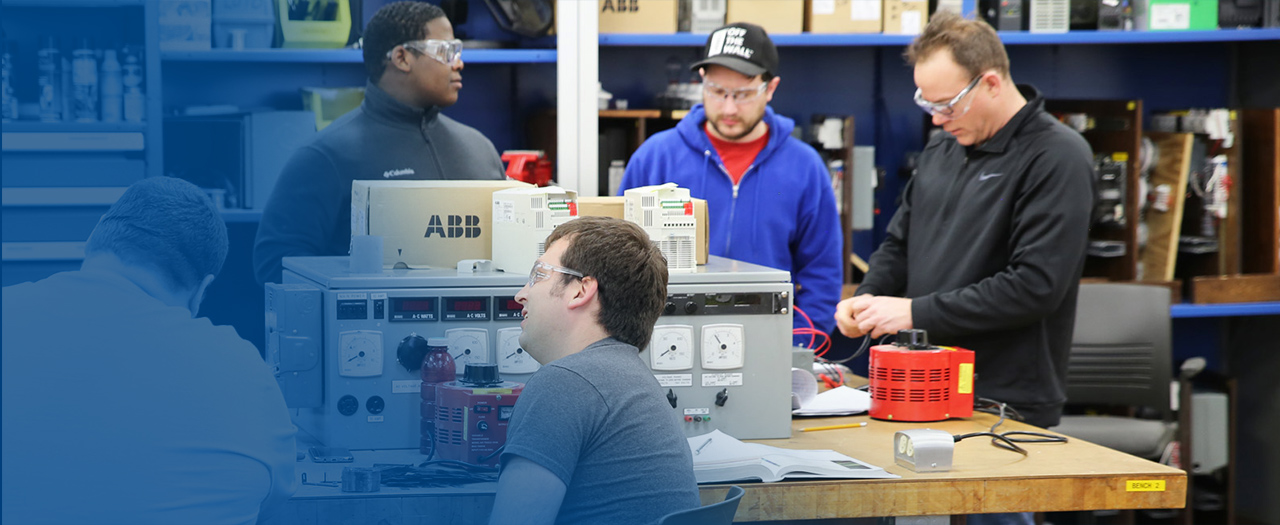
Industrial electricians work to install, test, troubleshoot, maintain and repair electrical equipment in industrial/commercial settings. They ensure electrical systems run safely and efficiently, as the systems they work on power large, complex facilities. Receive high-quality, hands-on classroom instruction that complements on-the-job apprenticeship training critical for success in the industrial trades.
How To Start
- Obtain employment for apprenticeship training; this is the responsibility of the individual seeking an apprenticeship.
- While WCTC provides related apprenticeship instruction, the student does not need to apply to the college.
- The State of Wisconsin oversees the apprenticeship system and will contact WCTC to set a class schedule.
- The class schedule will be sent to the student from WCTC.
Obtain further information about apprenticeship programs by contacting the local apprenticeship representative. Visit the state's Department of Workforce Development website for more.
Program Details
Contact Us
Apprenticeship Administrative Assistant
Lindsey Mushall
262.691.5160
Questions? We'd love to help! Connect with our Enrollment team by filling out our online form or by email at enroll@wctc.edu.
Potential Careers
If you enjoy a technical challenge, are an analytical problem solver, and like following complex directions to fix mechanical and electrical problems on heavy duty machinery and equipment, a job as an industrial electrician may be right for you. Those working in this field assess equipment and system malfunctions and restore them to proper working order.
- Industrial Electrician
- Journeyworker
- Master Electrician
- Electrical Engineer
Career Salaries
$56,500 – $97,400 annually
Salary range estimates based on wages for related occupations in Waukesha County as reported by Lightcast. Individual wages may vary based on experience, industry, location and specific job requirements. Find our graduates' entry wages in the most recent Graduate Success Report.
Financial Aid
This apprenticeship does not qualify for financial aid. To qualify for most federal financial aid, a student must be enrolled in a technical diploma or associate degree program.


What Makes This Program Unique
- Upon completion, apprentices have little to no educational debt and have been working for their employer for multiple years.
- Jobs are available now. In the next few years, the construction industry will need as many as two million new craft professionals to fill the jobs available.
- Upon completion of your apprenticeship, you'll receive a nationally-recognized completion certification.

Similar Programs


Program Pathway
Earn certificates, technical diplomas and/or industry credentials along this pathway. Start with some courses for entry-level employment, and continue with additional courses for higher wages and job advancement.
Journeyworker Pathway
Earn credit for prior learning for the college-level knowledge and skills that you've already acquired through advanced high school classes, previous college coursework, self-study, military training work or volunteer experience.
More Credit Opportunities
High School Dual Credit
Dual enrollment offers high school students an opportunity to get a head start in high-demand fields while earning college credits.
Credit for Prior Learning
You may have the opportunity to obtain credit for the college-level skills and knowledge you've already acquired through prior coursework, work experience and more.