
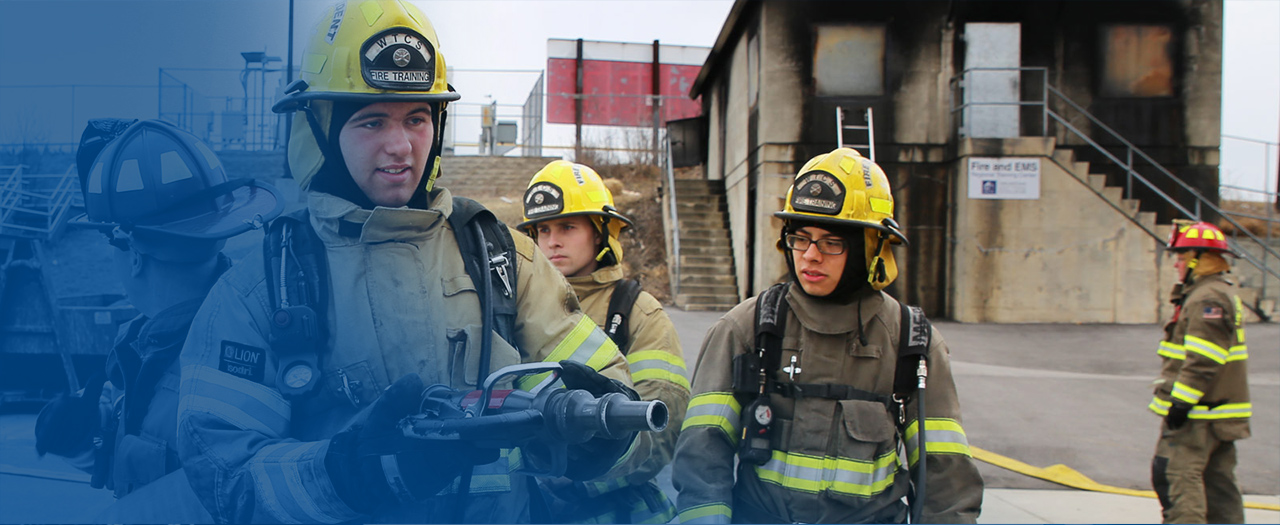
Firefighter I Certification Training
Degree Type
State Certification Training
Time to Complete
Less than 1 year
Start Date
August / January / May
How You'll Learn
 Daytime
 Evening
Learn, develop and practice the practical skills required to perform as a firefighter, while also receiving the didactic theory required to support those skills and related firefighting functions. This training includes Firefighter I and Hazardous Materials Operations, meets the NFPA 1001 Standard for Firefighter Professional Qualificiations and extends past the entry-level courses to better prepare the student to function as a firefighter. This training also provides the necessary education and skills to be eligible for WTCS Firefighter I certification testing.
Please note: The Firefighter I Certification Training is physically demanding and vigorous in and out of the classroom. Plan to have a fitness regimen in place and spend 1-2 hours preparing and studying outside of class for every one hour spent in class.
Completing the Firefighter I Certification Training
Connect and Register
- Begin to connect with local fire departments regarding employment, internships and affiliation. Being affiliated with a fire department can help support your education both academically and financially.
- Register for a Firefighter I course. View Available Courses. You will be prompted to sign up for a Program Expectation Session during registration.
Before Beginning the Firefighter I Training
- Attend a mandatory Program Expectation Session. All following items will be covered in depth at the Program Expectation Session. Do not start any items below prior to attending.
- Based on your employment and affiliation with a fire department, you may need to complete the following:
- Sign up for and attend a Personal Protection Equipment (PPE) Fire Gear Fitting ($300 rental fee if unaffiliated)
- Complete a Firefighter Certification Medical Evaluation (up to $230 if unaffiliated)
- Purchase firefighter-specific equipment (up to $450)
- Purchase textbooks and classroom dress code items (approximately $400)
After the Firefighter I Certification Training Completion
- Take the Firefighter I and Hazardous Materials Operations written state exams
- Take the Firefighter I practical state exam ($80)
- After successful completion of the exams (must be completed within two years of the end of the course), the WCTC Fire & EMS Training Center will submit your completion records to the state for review and certification.
Training Details
Contact Us
Questions? We'd love to help! Connect with the Fire & EMS Training Center at fireems@wctc.edu.
Visit the WCTC Fire & EMS Training Center webpage for additional information on firefighter training and other programs offered.
Potential Careers
If you're physically fit, devoted to saving lives and handle intense situations well, a career in firefighting may be right for you. Firefighters must communicate with other members of their team and be flexible and adaptable. They need to have a take-charge attitude and make critical decisions in life-threatening conditions.
- Firefighter
High School Eligibility
This training is open to qualified high school applicants. Please note: You must be at least 16 years old to participate.
Physical Fitness Requirements
All students participating in the Firefighter I Certification training must be evaluated by a physician or other qualified primary healthcare provider to ensure they are able to perform essential firefighting tasks without presenting an unreasonable risk to the safety of themselves or others. Students are not required to take a physical fitness evaluation test but should be aware of the types of physical tasks that will be expected of them. Careers in the fire industry are physically demanding. It is important to establish a consistent fitness routine to stay conditioned.
Key Fitness Components and Benchmarks
Tests evaluate specific, job-related physical skills, such as:
- Cardiovascular endurance: running or jogging, often including stair machines while wearing weighted gear
- Upper/lower body strength: evaluated via deadlifts, shoulder presses and simulated, high-intensity activity
- Functional movement: tasks like crawling, pulling, pushing and lifting, which are crucial for navigating hazardous environments
Tips for Success
- Train with weight: Utilize a weighted vest or specialized equipment to simulate the 50-75 pounds of extra weight of carrying gear and tools.
- Practice specific movements: Focus on lower body lifts, like deadlifts, overhead strength and cardiovascular stamina.
- Consistency: Train at least 3-4 times per week, combining weight training with high-intensity interval training (HIIT).
Career Salaries
$39,100-$66,400 annually
Salary range estimate is based on wages for related occupations in Waukesha County as reporterd by Lightcast. Individual wages may vary based on experience, industry, location and specific job requirements. Find our graduates' entry wages in the most recent Graduate Success Report.
Financial Aid
This training does not qualify for financial aid.


Accreditation
The International Fire Service Accreditation Congress has determined that this program meets the minimum standards of excellence.
What Makes This Training Unique
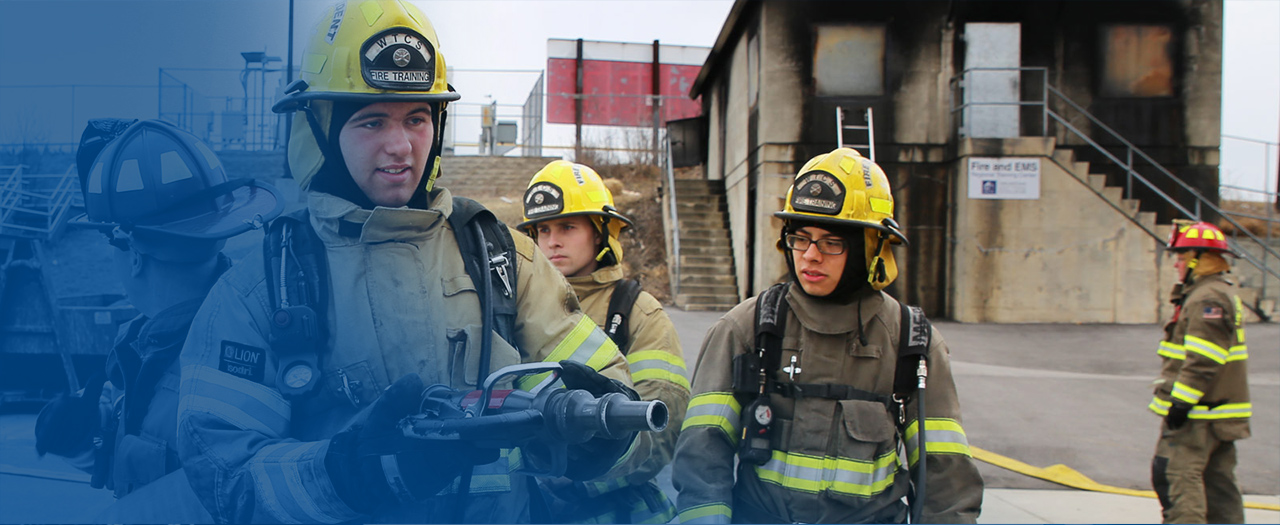
- WCTC is designated as a Regional Fire Training Center and offers all levels of Wisconsin Firefighter Certification training.
- Upon completion, students are prepared to take the Wisconsin State Firefighter I Certification exams to become firefighters.
- The training is taught by subject matter experts, including several officers from local fire departments.
Similar Programs
Other Educational Opportunities
Program Pathways
Earn certificates, technical diplomas and/or industry credentials along this pathway. Start with some courses for entry-level employment, and continue with additional courses for higher wages and job advancement.
Fire Protection Technician Pathway
Earn credit for prior learning for the college-level knowledge and skills that you've already acquired through advanced high school classes, previous college coursework, self-study, military training work or volunteer experience.
Fire Medic Pathway
Earn credit for prior learning for the college-level knowledge and skills that you've already acquired through advanced high school classes, previous college coursework, self-study, military training work or volunteer experience.
More Credit Opportunities
High School Dual Credit
Dual enrollment offers high school students an opportunity to get a head start in high-demand fields while earning college credits.
Credit for Prior Learning
You may have the opportunity to obtain credit for the college-level skills and knowledge you've already acquired through prior coursework, work experience and more.
Transfer Opportunities After WCTC
WCTC has credit transfer agreements with many four-year institutions that allow our degree graduates to transfer credits into a baccalaureate program, often at junior-level standing.