
Mental Health Counseling Services
Empowering WCTC Students
WCTC offers free, confidential counseling services for all students registered for a credited course. Counseling can empower you to accomplish your mental health, wellness, education and career goals, improve your ability to make healthy decisions, and enhance your relationships.
You can choose in-person, online or over the phone therapy sessions with any counselor from our dedicated team, or opt to use the services from BetterMynd, our online therapy partner.
Schedule an Appointment with a WCTC Counselor
Check Eligibility for BetterMynd Counseling
Contact Information
Mental Health Counseling Services
counselingservices@wctc.edu
262.695.3440
College Center, Room C-022
Office Hours
Monday, Wednesday - Friday
8 a.m. - 4:30 p.m.
Tuesday
8 a.m. - 6 p.m.
Contact us to inquire about additional evening appointments.
Meet WCTC's Counselors

Lori Feuerstein, MS, LPC
Lori approaches therapy from a holistic stance incorporating the whole person. She helps clients create awareness in each area of wellness and focuses her therapy on helping clients learn healthy coping skills/strategies to help address what has brought them to seek help. Lori is also a Certified EMDR Therapist. EMDR (Eye Movement Desensitization and Reprocessing) Therapy is a comprehensive, safe and proven treatment for trauma.
Lori is committed to viewing and supporting diversity as encompassing intersecting identities, including ethnic/racial identity, nationality, sex, gender identity, sexual orientation, religion/spirituality, socio-economic status, age, ability, and point of view.

Noelle Giannini, MS, LPC
Noelle has experience working with a wide variety of populations and strives to create a safe, supportive environment with clients. Her style is trauma-informed and she utilizes evidence-based practices such as Dialectical Behavioral Therapy (DBT), Behavioral Activation, Prolonged Exposure (PE) for trauma, Exposure and Response Prevention (ERP) for OCD and anxiety and Acceptance and Commitment Therapy (ACT) to help students find balance, learn and apply new skills and navigate through personal circumstances.
Noelle is committed to viewing and supporting diversity as encompassing intersecting identities, including ethnic/racial identity, nationality, sex, gender identity, sexual orientation, religion/spirituality, socio-economic status, age, ability and point of view.

Amy Machgan, MS, LPC
Amy provides a safe space for people to bring their whole selves along with whatever they are carrying in their mind and bodies. Amy does this by honoring the various experiences people have based on intersecting identities, including ethnic/racial identity, nationality, sex, gender identity, sexual orientation, religion/spirituality, socio-economic status, age, ability and point of view.
Amy uses a trauma sensitive lens as well as person-centered and cognitive behavioral strategies. Amy believes each person has their answers inside them and the work of therapy is to help people recognize and use their strengths, incorporating new strategies and skills so they can achieve the experience they are looking for in life.

Sofia Majid-Swanton, MS, LPC
Sofia has found joy in working as a counselor since 1996 and joined the WCTC counseling team in 2011.
Her counseling style is supportive, compassionate, trauma informed, and culturally sensitive. Sofia views diversity as encompassing intersecting identities, including ethnic/racial identity, nationality, sex, gender identity, sexual orientation, religion/spirituality, socio-economic status, age, ability and point of view.
She utilizes cognitive behavioral therapy to assist students in better understanding their behaviors, thoughts and emotions. She enjoys working with diverse populations and supporting students while they make meaningful changes in their lives. Every student has unique strengths. Sofia's passion is in helping students be the best that they can be.
Our counselors can help you address:
- Anxiety, depression, stress and loneliness
- Transition to college
- Fitting in and feeling accepted
- Relationship concerns with partner, friends and family
- Thoughts of harming self or others
- Eating disorders
- Grief and loss
- Difficulties with alcohol and other drugs
- And more...
How to Make Your First Appointment
Choose the type of appointment you would like
General Consultation - if you are unsure about the counseling process or have general questions, this appointment type is likely best for you. You will meet with a counselor briefly to determine your needs, answer any questions, and refer you to the appropriate service, if needed.
Single Session - if you have a specific issue to address and believe a single therapy session is sufficient, this is the appointment type for you.
*If you determine after a single session that you would like to continue with ongoing counseling, that is always an option!
New Intake - if you have goals you would like to accomplish, specific concerns you want to address, and are interested in attending more than one session - this appointment type is for you. You will meet with a counselor for roughly 50 minutes, get to know one another, and answer general intake questions to help your counselor best understand how to help.
Schedule your first appointment
Taking the step to set up a counseling appointment can be overwhelming, so let us help you get started! To set up or request an initial in-person or virtual counseling appointment, choose one of these options:
1. Call our office at 262-695-3440 during office hours
2. Come to the MHCS office in C-022 during office hours
3. Email counselingservices@wctc.edu
4. Schedule an appointment online
Attend your first appointment
Prior to your first meeting, you will receive an email reminder with the location, day and time of your appointment. If you are meeting:
- In-person - you will arrive at the C-022 office, check-in with our friendly front desk staff, and your counselor will greet you
- Zoom - you will receive a Zoom link in your email reminder the day prior
- Phone - your counselor will call you at the time of your scheduled appointment
Eligibility for Services
Things to Know
- Students must be registered for a credited course to be eligible.
- If you are a new student or returning after several semesters, you are able to begin meeting with a counselor on or after the start date of your first class.
- If you currently are working with a therapist in the community, we are unable to see students for ongoing appointments.
BetterMynd - Another online counseling option
WCTC is partnered with BetterMynd to offer students another option for free online therapy from a diverse network of licensed mental health counselors.
Check out the video to learn how to register.
*Must be 18 years or older and admitted to a WCTC academic program to be eligible.
More Mental Health Resources From WCTC
This brief questionnaire is free, anonymous and informative. It's a simple tool to give yourself a mental health wellness check!
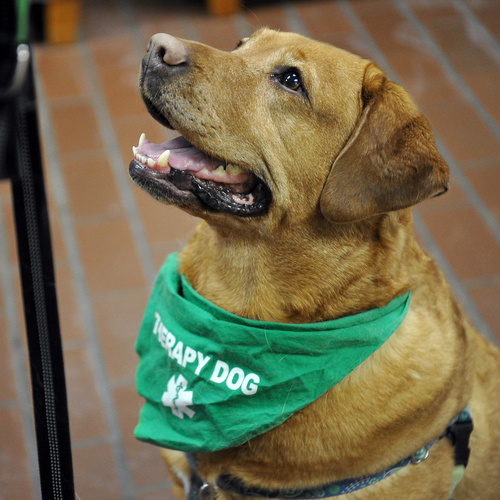
Take a "Paws" and Relax!
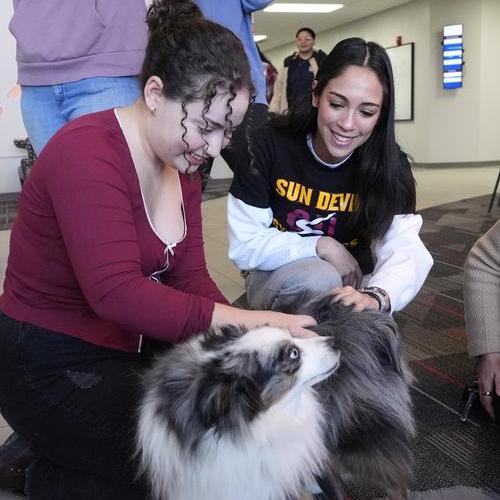
Stressed about exams? Need a break from studying? Come hang out with our adorable therapy dogs and boost your mood instantly! These friendly pups are here to offer cuddles, comfort, and a whole lot of tail wags. Whether you’re a dog lover or just need a moment to breathe, this is the perfect chance to unwind, de-stress, and feel some joy.
Stop by, pet a pup, and leave with a smile!
See the dates and times listed below for each of our 3 therapy dogs.
|
Maple |
||
| DATE | TIME | LOCATION |
| 9/9/26 | 1:30-2:30 p.m. | WCTC Library |
| 11/11/26 | 1:30-2:30 p.m. | WCTC Library |
| 12/9/26 | 1:30-2:30 p.m. | WCTC Library |
| 2/10/27 | 1:30-2:30 p.m. | WCTC Library |
| 3/10/27 | 1:30-2:30 p.m. | WCTC Library |
| 4/14/27 | 1:30-2:30 p.m. | WCTC Library |
| 5/12/27 | 1:30-2:30 p.m. | WCTC Library |

|
Merida |
||
| DATE | TIME | LOCATION |
| 8/17/26 | 11 a.m. - Noon | Welcome Center or Courtyard (weather permitting) |
| 9/21/26 | 11 a.m. - Noon | Welcome Center or Courtyard (weather permitting) |
| 10/5/26 | 11 a.m. - Noon | Welcome Center or Courtyard (weather permitting) |
| 10/19/26 | 11 a.m. - Noon | Welcome Center or Courtyard (weather permitting) |
| 11/2/26 | 11 a.m. - Noon | Welcome Center or Courtyard (weather permitting) |
| 11/16/26 | 11 a.m. - Noon | Welcome Center or Courtyard (weather permitting) |
| 12/7/26 | 11 a.m. - Noon | Welcome Center or Courtyard (weather permitting) |
|
Gus |
||
| DATE | TIME | LOCATION |
| 9/14/26 | Noon - 1 p.m. | Student Life Lounge, C-121 |
| 10/26/26 | Noon - 1 p.m. | Student Life Lounge, C-121 |
| 11/23/26 | Noon - 1 p.m. | Student Life Lounge, C-121 |
| 12/7/26 | Noon - 1 p.m. | Student Life Lounge, C-121 |
What is the MindfulNest?
The MindfulNest is a safe, relaxing space for WCTC students to quiet their mind, reduce stress and restore themselves.
Located in the Mental Health Counseling Services office (C-022)
Available for use Monday-Friday, 8 a.m. - 4 p.m.
 A few of the many resources you can utilize in the MindfulNest include:
- Light therapy lamps
- Weighted blankets
- Yoga or massage mat
- Adult coloring books and colored pencils
- Water fountain
- Fidget toys
- *Check out the MindfulNest User Guide to see what other resources are available
Who can use the MindfulNest?
- All WCTC students
- Students do not need to be a current client of MHCS to access the room.
- One student is allowed in the MindfulNest at a time.
How do I sign up?
The MindfulNest can be used for either a 30- or 60-minute timeframe.
If you are interested in using in the room, you can schedule online, in-person at the Mental Health Counseling Services office (C-022), or call 262.695.3440.
How much do counseling sessions cost?
Counseling sessions are free to students that are enrolled in credited classes at WCTC.
What type of counseling is provided?
WCTC Counselors have experience treating a wide-range of mental health and wellness issues. Some common issues include, but are not limited to: stress, anxiety, depression, loneliness, fitting in/feeling accepted, lack of motivation, transition to college, family/friend conflict, substance use issues, relationship difficulties, eating disorders, grief, and thoughts of harming self or others.
How do I make an appointment?
To make an appointment, students can schedule online, call 262.695.3440, email counselingservices@wctc.edu or stop by our office in C-022.
Do I get to choose the counselor I want to work with?
Yes, you may schedule with any counselor you wish.
What if I am contacted about a mental health counseling referral?
As part of a community that cares, WCTC is committed to providing you with all reasonable resources to help you attain your academic goals. If a WCTC instructor or staff staff member is concerned about your success or well-being, they will submit a referral. When the referral is received, a WCTC staff member contacts the student to determine if there are any resources that could improve emotional health and/or remove barriers to success. If you have stated you would like to be connected with Mental Health Counseling Services, a staff member will contact you to make an appointment.
Can a client sign a release so that a third-party can know what is going on in counseling?
The content of counseling sessions and a client's participation is protected by state confidentiality laws. As a result, anything that is discussed during a counseling session is held in strict confidence. Clients are able to sign a release of information form that allows the counselor to communicate with whomever the client chooses. Usually, these releases allow counselors to disclose information on a limited scale, either in regard to a specific issue or for a short period of time.
Does your office prescribe medication?
No. Clients in need of medication will be referred to area professionals that specialize in this type of service.
How long does counseling usually last?
The length of counseling varies depending on the concerns being addressed and progress toward stated goals. Most students experience a decrease in symptoms in 6-8 sessions, however, some may continue longer. If progress is not being made, the counselor may look for additional supportive resources in the community to assist with a client's specific needs.
Will my instructor know that I am seeing a WCTC counselor?
No. Clients are free to sign a release that allows the counselor to speak with the instructor but this will not happen without a client's consent.
More Student Resources
Alcohol and Other Drugs
Transitioning to college comes with a variety of challenges. Balancing new courses, jobs, family, decision making and much more can be difficult. Sometimes using alcohol or drugs can be an attempt at navigating and coping with this balance. Drinking alcohol or using drugs can have the potential to cause a range of consequences and increase your risk for a variety of mental and physical health issues.
Are you or someone you know struggling with alcohol or drug use? If so, get connected with one of the resources below, connect with Counseling Services, and don’t be afraid to ask for or encourage seeking help.
- Addiction Resource Council, Inc: 262.524.7920
- Al-Anon: 414.257.2415
- Alcoholics Anonymous Helpline: Call 414.771.9119 or click here to Find AA Meetings in Wisconsin.
- Narcotics Anonymous Helpline: 1.866.913.3837
- Nar-Anon Family Groups: 310.534.8188
- Rogers Behavioral Health: 1.800.767.4411
- Rosecrance Treatment Assessment and Referral: 866.784.3021
- Substance Abuse and Mental Health Services: 1.800.622.4357
- Waukesha County Health and Human Services: 262. 548.7212
- 211 Wisconsin: Dial 211 or 414.455.1736 or text your ZIP Code to TXT-211 for 24-hour, confidential support to connect local human services.
First Generation Students
Being the first in your family to go to college can be exciting, overwhelming, and daunting. Navigating financial aid, timelines, admissions, program requirements, and much more can cause additional stress and uncertainty, so utilizing resources, support, and encouragement is important and helpful. See some of the resources below for more information!
- First Generation College Student Guide: Financial aid, checklists, timelines, & encouragement for students who are the first in the family to attend college
- First in the Family: "What does it take to get going and keep going, once in college? If you are the first in the family, it can take grit and support. In six audio slideshows, first-generation college students talk about the money, cultural, and academic hurdles they face on the path to a four-year degree -- and how colleges can help."
- I'm First!: "There is something special about being the FIRST…especially being the first in your family to attend and graduate from college. I’m First!, an initiative of Strive for College, is an online community celebrating first-generation college students."
- Online Guide for first generation college students
Culturally Inclusive Services
Resources Specializing in the LGBTQ+ Experience
- Milwaukee LGBT Community Center: The Milwaukee LGBT Center is dedicated to serving the needs of LGBTQ people and to making the Greater Milwaukee area safer and more inclusive. They focus on anti-violence, healthy relationships, counseling, Youth & Elder Adult programming, and more.
- Gay Straight Alliance Network: "GSA's overall strategy for fighting for educational justice is to work with grassroots, youth-led groups and GSAs, empowering them to educate their schools and communities, advocate for just policies that protect LGBTQ youth from harassment and violence, and organize in coalition with other youth groups across identity lines to address broader issues of oppression."
- GLAAD: "GLAAD rewrites the script for LGBTQ acceptance. As a dynamic media force, GLAAD tackles tough issues to shape the narrative and provoke dialogue that leads to cultural change. GLAAD protects all that has been accomplished and creates a world where everyone can live the life they love."
- It Gets Better Project: The mission of the IGB Project is to give LGBT youth across the world hope that things do get better. The organization provides both inspiration and resources, including pledges and education videos.
- LGBT National Help Center: "Serving the lesbian, gay, bisexual, transgender, queer & questioning community by providing free & confidential peer-support & local resources"
- PFLAG (Parents Families and Friends of Lesbians and Gays): "PFLAG is the first and largest organization for lesbian, gay, bisexual, transgender, and queer (LGBTQ+) people, their parents and families, and allies. With over 400 chapters and 200,000 members and supporters crossing multiple generations of families in major urban centers, small cities, and rural areas across America, PFLAG is committed to creating a world where diversity is celebrated and all people are respected, valued, and affirmed."
- Trans Lifeline: "Trans Lifeline is a grassroots hotline and microgrants 501(c)(3) non-profit organization offering direct emotional and financial support to trans people in crisis – for the trans community, by the trans community."
- The Trevor Project: "With suicide rates noticeably higher among LGBTQ youth than their straight peers, the mission of The Trevor Project is incredibly important. By providing a 24/7-crisis intervention service, online community, and educational programs, the organization seeks to be both life saving and life-affirming."
Resources Specializing in the Asian American and Pacific Islander Experience
- Asians Do Therapy: "The hope is that in highlighting Asian people’s experience in therapy and as therapists and sharing culturally relevant information, more Asians and Asian Americans will seek therapy as a resource, available and meant for us."
- Asian Mental Health Collective: "It is the mission of the Asian Mental Health Collective to normalize and de-stigmatize mental health within the Asian community."
- Mann Mukti: "Launched in May 2017, MannMukti aims to encourage healthy, open dialogue of South Asian mental health issues in an effort to remove stigma, improve awareness and promote self-care."
- National Asian American Pacific Islander Mental Health Association: "The mission of the National Asian American Pacific Islander Mental Health Association (NAAPIMHA) is to promote the mental health and well being of the Asian American and Pacific Islander communities."
- National Association of Asian American Professionals: "The National Association of Asian American Professionals is a not-for-profit, Pan-Asian American organization that promotes the career advancement and leadership development of Asian American professionals in all fields through networking, respecting Asian multi-culturalism, and supporting diversity and community service."
Resources Specializing in the Black and African American Experience
- Black Emotional and Mental Health Collective (BEAM): "BEAM is a national training, movement building and grant making organization dedicated to the healing, wellness and liberation of Black and marginalized communities."
- Black Girls Smile: "Empowering Women & Girls to Lead Mentally Healthy Lives"
- NAMI - Identity and Cultural Dimensions: NAMI identifies barriers to mental health care, how to seek culturally competent care, black mental health resources, self-care for people of color, and more.
- Sista Afya Community Mental Wellness: "Sista Afya Community Mental Wellness has a community support approach to mental wellness. We believe that community support for people living with mental health conditions can foster healing, growth, freedom, and self-actualization."
- The Steve Fund: "The Steve Fund is the nation’s only organization focused on supporting the mental health and emotional well-being of young people of color. The Steve Fund works with colleges and universities, non-profits, researchers, mental health experts, families, and young people to promote programs and strategies that build understanding and assistance for the mental and emotional health of the nation’s young people of color."
- Therapy for Black Girls: "So often the stigma surrounding mental health issues and therapy prevents Black women from taking the step of seeing a therapist. This space was developed to present mental health topics in a way that feels more accessible and relevant."
Resources Specializing in the Native American and Alaska Native Experience
- Center for Native American Youth: "The Center for Native American Youth believes all Native American youth should lead full and healthy lives, have equal access to opportunity, and draw strength from their culture and one another. We do this through youth recognition, inspiration and leadership; research, advocacy, and policy change; serving as a national resource exchange; and by building a Native-youth driven narrative."
- Indian Health Service: "Through its programs, the IHS Division of Behavioral Health addresses these issues and promotes the Indian health care system focus on integrated behavioral health and primary care treatment, while respecting the balance, wellness, and resilience of AI/AN people."
- We R Native: "We are a comprehensive health resource for Native youth, by Native youth, providing content and stories about the topics that matter most to them. We strive to promote holistic health and positive growth in our local communities and nation at large." We R Native also offers support and information for adults.
Resources Specializing in the Latinx and Hispanic Experience
- Latinx Therapy: Latinx Therapy offers courses and workshops, wellness resources, help with finding a therapist or speaker, a podcast, and more!
- National Alliance for Hispanic Health: Today, the National Alliance for Hispanic Health is the premier science-based and community-driven organization that focuses on the best health for all. Community-based members provide services to more than 15 million Hispanics throughout the U.S. every year and national organization members provide services to more than 100 million people annually.
- Therapy for Latinx: "Mental Health can be challenging, Finding a Therapist shouldn't be." Therapy for Latinx can help you connect with a therapist in the community, offers national resources, recommendations, information on hotlines and helplines, mental health screenings, and more.
Resources Specializing in the Muslim Experience
- Institute for Muslim Mental Health: "Promoting Muslim Americans' Mental Health Through Research, Resource Development, Training & Advocacy"
- Muslim Wellness Foundation: "Muslim Wellness Foundation (MWF) is a nonprofit organization established in 2011 to reduce stigma associated with mental illness, addiction and trauma in the American Muslim community through dialogue, education and training."
- Therapy for Muslims: "A comprehensive website that will serve as a much-needed resource for our community. The website will have an extensive directory of Muslim mental health practitioners, resources, articles, “Events Near Me”, and video section. There will be other key sections added as the needs of the community are continuously assessed."
Suicide Prevention
We can all take action to prevent suicide. If you or someone you know is in crisis or struggling with thoughts of suicide, help is available. Below are several resources, helplines, education and information. If you are experiencing a current crisis or emergency, please call 911.
Local Resources
Milwaukee County
- 24-Hour Crisis Line: 414.257.7222
- Warmline (Non-crisis, peer-run support line, M,W,F-Sun from 7-11pm): 414.777.4729
- Aurora Psychiatric Hospital: 414.454.6600
- Rogers Behavioral Health Admissions: 1-800-767-4411
- Information about other resources and service
Waukesha County
- Waukesha County Hotline: 262.547.3388
-Dial 2-1-1 for Crisis Intervention during non-business hours - Waukesha County Mental Health Center: 262.548.7950
- NAMI Waukesha: 262.548.7666 (8 a.m. - 4:30 p.m.)
- Waukesha County Health and Human Services: 866.211.3380
- The Women’s Center: 262.542.3828 (24-Hour Hotline)
- Rogers Behavioral Health Admissions: 1.800.767.4411
National Resources
- Crisis Text Line: Text from anywhere in the USA to talk with a trained Crisis Counselor. Every texter is connected with a Crisis Counselor, a real-life human being trained to bring texters from a hot moment to a cool calm through active listening and collaborative problem solving.
- Live Through This: "Established in 2010, Live Through This is a collection of portraits and true stories of suicide attempt survivors across the United States."
- 988 Lifeline: The 988 lifeline provides 24/7, free and confidential support for people in distress, prevention and crisis resources for you or your loved ones, and best practices for professionals. To connect directly to a trained 988 Lifeline counselor in ASL, callers who are Deaf, DeafBlind, DeafDisabled, Hard of Hearing, and Late-Deafened can click the "ASL Now" button on 988lifeline.org and follow the prompts. Direct dialing to 988 from a videophone will be available in the coming weeks, and in the meantime, ASL callers can call 1.800.273.TALK (8255) from their videophone to reach ASL services.
Other Hotlines and Helplines:
- COPE Hotline (24 hour supportive listening and crisis intervention): 262.377.2673
- National Sexual Assault Hotline (RAINN): 800.656.4673
- National Domestic Violence Hotline: 1.800.799.7233 OR Text LOVEIS to 22522
Other Education and Information
- BeThe1To: "#BeThe1To is the National Suicide Prevention Lifeline’s message for National Suicide Prevention Month and beyond, spreading the word about actions we can all take to prevent suicide."
- Jed Foundation: The Jed Foundation is a nonprofit that exists to protect emotional health and prevent suicide for our nation's teens and young adults.
The Five Ways to Help Someone at Risk
- Ask
- Keep them safe.
- Be there.
- Help them connect.
- Follow up.
Veterans Services
Beginning or returning to college as a veteran means facing a unique set of challenges. Reaching out and accessing support can be one way to help with a positive transition and experience. Check out some of the various resources listed below.
If you need immediate help, please call 911 or the Military Crisis Line at 800.273.8255 and press 1.
If you are looking for more information about being a student veteran at WCTC, including resources, benefits, financial aid, and more, please contact veterans@wctc.edu.
Local Resources
- Milwaukee County Veterans Services: “Assisting Veterans and their families with benefit needs.”
- Milwaukee VA Medical Center: The Milwaukee VA helps in accessing and managing your VA benefits and health care.
- State of WI Department of Veterans Affairs: The Wisconsin Department of Veterans Affairs was created in 1945 to consolidate separate veterans programs under one agency. Today, the WDVA provides grants and a variety of services to eligible Wisconsin veterans and their families.
- Waukesha County Veterans Services: It is the mission of the Waukesha County Division of Veterans Services to advocate for and provide assistance to all veterans of the U.S. Armed Services, and their dependents and survivors.
National Resources
- Make the Connection: “Hear stories of recovery from Veterans like you.”
- VIDEO: Student Veterans' Voices
- Operation WetVet: "Taking Veterans & First Responders From "Front Lines to Tight Lines"
- Real Warriors Campaign: "The Real Warriors Campaign promotes a culture of support for psychological health by encouraging the military community to reach out for help whether coping with the daily stresses of military life, or concerns like depression, anxiety, and posttraumatic stress disorder."
- Wounded Warrior Project: "Here, you’re not a member – you’re an alumnus, a valued part of a community that’s been where you’ve been, and understands what you need. Everything we offer is free because there’s no dollar value to finding recovery and no limit to what you can achieve."
If you are experiencing an emergency and need help now, please dial 911, call 988 to get connected to the Suicide and Crisis Lifeline or text HOME to 741-741 to reach the Crisis Text Line.
*To connect directly to a trained 988 Lifeline counselor in ASL, callers who are Deaf, DeafBlind, DeafDisabled, Hard of Hearing, and Late-Deafened can click the "ASL Now" button on 988lifeline.org and follow the prompts. Direct dialing to 988 from a videophone will be available in the coming weeks, and in the meantime, ASL callers can call 1.800.273.TALK (8255) from their videophone to reach ASL services.